Interview with the Speakers of the Educational Projects Center “Tree of Knowledge”

Welcome, dear colleagues, to the website of the Center for Educational Projects “Tree of Knowledge”.

This page is dedicated to conversations, talks, and interviews with the speakers of our Center. I  hope that in these conversations you will find a lot of interesting and inspiring things for yourself.

Sincerely yours Karine Kocharyan

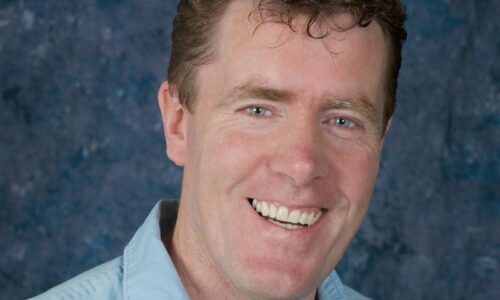
Interview with Frank Corrigan, author of the Deep Brain Reorienting method
from March 5, 2024

DBR is a psychotherapeutic approach to trauma treatment, developed primarily for the treatment of attachment shock; but also applicable to the processing of other traumatic experiences. On June 3 and 4, 2024, a training in this method will start in Ukainin. Details and registration will be announced later.

You can learn more about the method and Frank here

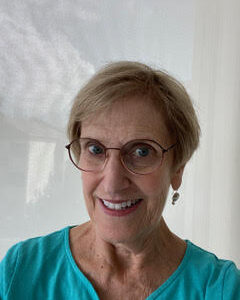
An interview with Tony Buckley, the leader of the training “Sensorimotor Psychotherapy: Introduction to working with trauma”, from February 5, 2024


The training “Sensorimotor Psychotherapy: Introduction to working with trauma” with Tony will start on February 10 at 10.00 am Kyiv time.

More information about the event can be found at the link

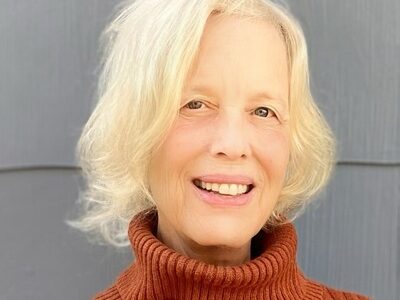
A short conversation with Lori Ann Pearlman before the webinar Understanding and Overcoming Vicarious Traumatization


On October 30, from 15.00 to 18.00, at the webinar “Understanding and Overcoming Vicarious Trauma”, you will have a unique opportunity to gain first-hand theoretical knowledge and practical skills on vicarious trauma from Lori Ann Pearlman, the expert who actually invented this term. We will talk not only about how to identify the signs of vicarious trauma in yourself or a colleague, distinguish it from other phenomena that are inevitably accompanying any clinician, but also about prevention measures and how to help yourself if this process has developed. We will also talk about how unprocessed vicarious traumatization of therapists can harm traumatized clients. For more details, follow the link

TBI History and Overlooked  Symptoms & Non-technical ways of treatment. With Mery Lee Esty 15th of March 16.00-19.00 Kiev time on Zoom

Greetings, dear colleagues!

We are pleased to invite you to take a part in webinar

TBI History and Overlooked   Symptoms

&

Non-technical ways of treatment with Mary Lee Esty

LCSW-C, Ph.D

Two non-technical effective treatments for symptoms of PTSD and TBI will be discussed in relation to brain function/dysfunction.  These are powerful because they are simple

Treatment planning is often weakened by incomplete or misunderstood information.  We will be discussing five important points most commonly overlooked in diagnosis 

The webinar consists of three parts:  

  1. Discussion of points in the history document that are often overlooked, and not understood to be signs of concussion/TBI. 

  1. Non-technical ways of treatment

  2. Any questions you may have. I would like discussion about treatment issues you are dealing with. 

First Part
Discussion of history tool points for Effective Treatment Planning and Diagnosis 
Treatment planning is often weakened by incomplete or misunderstood information.  We will be discussing five important points most commonly overlooked in diagnosis.  Some symptoms are often underappreciated events because they are common.
– Sleep apnea

-Effects of TBI on the immune system

 -Sensory issues?

 -Risk of suicide after a concussion

 If you have already used this tool in your practice after the first webinar and have questions about individual items or the application in general, we will analyze in detail everything you are interested in. Mary Lee is ready to answer all your questions in detail. And if you didn’t attend the  webinar last time, you can download the translated questionnaire on our website or receive it by mail as a participant of the event.

Second part .

We will speak of Non-technical ways of treatment Brain-based therapeutic activities that anyone can do, including children.  Required equipment  includes hands, feet, eyes, and ability to move those at least a little bit. Writing equipment as described.

 The treatment exercises are tools for life-long application.  They are simple and surprisingly effective. It is simple to learn them by demonstration, not by trying to describe them.  Please come to the webinar with 2 pencils and a notebook, (a clipboard or other hard surface for holding the paper).  

  Teaching the client two self-administered treatments.  These require no devices. One requires 2 pencils, and a spiral notebook. Therapist demonstrates and practices with client.   

The third part

Discussion of the problems you must deal with.

Цей захід призначений для психологів, психотерапевтів, психіатрів, неврологів, нейропсихологів, реабілетологів, терапевтів- всіх хто так, чи інакше задіяні у лікуванні та реабілітації постраждалих з контузіями та ЧМТ.

СПІКЕР: 

Ph.D.               Union Institute, Health Psychology, 1995

MSW              West Virginia University, MSW,1962

BA                  Wichita University, 1960, Sociology, Psychology

ACSW            1965 – Present

LCSW-C                    Maryland, 1988 – present

BCIA              Senior Fellow in Biofeedback: Biofeedback Certification International                                    Alliance, BCB

BCIA   Senior Fellow in Neurofeedback: Biofeedback Certification International Alliance, BCN

Award 2020:  The M.B. Sterman Career Achievement Award by the International Society                              for Neuroregulation & Research

Book: 

Esty ML and Shifflett CM (2014), Conquering Concussion: Healing TBI Symptoms With    Neurofeedback and Without Drugs.  Round Earth Publishing, Sewickley, PA.

Awarded:  Kirkus Reviews Best Books 2014

Gold Winner Nonfiction Authors

Academic Affiliation:

Adjunct Professor in Wichita State University School of Social Work

Мері Лі Есті LCSW-C, Ph.D

Additional Information

Registration and payment 

Please note that

The amount

1200₴

in UAH may change when the euro exchange rate rises.

The USD equivalent remains unchanged. 

Payment methods:

1. To the bank account

2.Via the link through the WayForPay payment system

3. Cash in USD for Odessans.

Regardless of the payment method, please fill out the registration form, after which you will receive an email with payment details


Share with your colleagues!
Please share this information with your colleagues who will find it useful and who work with this particular category of people suffering from concussion.

“ Sensorimotor Psychotherapy: An Introduction to Working with Trauma» Presented by Tony Buckley, UK. 10th of February from 10.00 to 17.30 Kiev time on Zoom 

Dear colleagues, greetings!
 Let me invite you to take part in the training  

“ Sensorimotor Psychotherapy: An Introduction to Working with Trauma»

Presented by Tony Buckley, BA

Date: 10th of February  
Time from 10.00 to 17.30 Kiev time

Cost : 5000 UAH

The offer is valid to

 07.02.24

After:

7000 UAH

The offer is valid from 08.02.24 to 09.02.24

Shedule

 Start 10am

Break 11.30-11.45 am

Lunch 1 pm-2 pm

Break 3.30-3.45 pm

End 5.30 pm 

The language of the webinar is English with consecutive translation into Ukrainian.
Translation by: Oksana Lyzak

Abstract

Sensorimotor Psychotherapy: An Introduction to Working with Trauma

 Does it ever feel like healing from past trauma through traditional therapy is incomplete?

Clinicians can learn to tap into the wisdom of the body to help their clients heal from trauma. Sensorimotor Psychotherapy is based on current research on neurobiology and trauma and the technique is used to address both traumatic and non-traumatic attachment related issues incorporating the wisdom of the body.

During the various stages of the work, through embedded relational mindfulness, we integrate the emotional, cognitive, and bodily processes to achieve adaptive strategies for self-regulation with respect to traumatic experience, and for relationship in daily life. The work seeks to increase the emotional repertoire of the individual for healthier attachment relationships, and more functional daily living.

Discover how the body holds past trauma, and how it also provides inroads into what clients need in order to recover and move on, even if the trauma occurred decades ago. Find out what to do and where to start with simple relational mindfulness interventions that will help your clients draw upon the intelligence of their bodies.

  1. Define Sensorimotor Psychotherapy and cite its relevance to work with trauma clients
  2. Describe procedural learning and its relevance to trauma and attachment-related developmental trauma
  3. Identify the role of the body in trauma treatment and attachment-related developmental trauma
  4. Explain how physical action can be used to help patients feel empowered and decrease PTSD symptoms
  5. Describe the importance of mindfulness in trauma therapy
  6. Summarize the phase-oriented treatment approaches utilized in Sensorimotor Psychotherapy practice with trauma clients
  7. Apply information and skills acquired to clinical work 

This training is intended for psychologists, psychotherapists, psychiatrists who is working with mental trauma of all therapeutic modes and directions.

SPEAKER:

Tony Buckley, BA,

is a BACP registered therapist (170042) who holds a BA Hons degree in Counselling and a Diploma in Supervision and Certificate of  Education. Tony has over 25 years’ experience in the therapeutic field including supervision, private practice, and managing counsellor’s in both a university setting and an adolescent counselling service within the voluntary sector. He is the manager of the Counselling and Trauma Service for Transport  for London (London Underground), which offers a time-limited trauma service. Tony is the chair of the UK Association of Sensorimotor Psychotherapists and an international Sensorimotor Psychotherapy Trainer. He is co-author of, “the Role of the Body in Fostering Resilience: a Sensorimotor Psychotherapy Perspective” (2019), published in the Journal of Body Movement and Dance Psychotherapy.


Pat Ogden, PhD, (she/her), Is a pioneer in somatic psychology, the creator of the Sensorimotor Psychotherapy method, and founder of the Sensorimotor Psychotherapy Institute. Dr. Ogden is a clinician, consultant, international lecturer, and the first author of two groundbreaking books in somatic psychology: Trauma and the Body: A Sensorimotor Approach to Psychotherapy and Sensorimotor Psychotherapy: Interventions for Trauma and Attachment (2015). Her third book, The Pocket Guide to Sensorimotor Psychotherapy in Context, advocates for an anti-racist perspective in psychotherapy practice. Her current interests include couple therapy, child and family therapy, social justice, diversity, inclusion, consciousness, and the philosophical/spiritual principles that underlie her work.

What is Sensorimotor Psychotherapy?

Sensorimotor Psychotherapy (SP) is a therapeutic modality for trauma and attachment issues. SP welcomes the body as an integral source of information which can guide resourcing and the accessing and processing of challenging, traumatic, and developmental experience. SP is a holistic approach that includes somatic, emotional, and cognitive processing and integration.

SP enables clients to discover and change habitual physical and psychological patterns that impede optimal functioning and well-being. SP is helpful in working with dysregulated activation and other effects of trauma, as well as the limiting belief systems of developmental issues.

SP helps clients cultivate their strengths, while providing enough challenge to stimulate growth, long lasting change, and well-being.

In October, the webinar”Surviving the Consequenes: A Sensory and Motor Approach to the Hidden Wounds of War!” was held for us by Pat Ogden. You can watch the part of the recording on the video below

Поділіться з друзями!
Якщо цей захід вам здається корисним, розкажіть про нього друзям, будь ласка!

“The Use of Imagery in the Treatment of Complex Trauma-related Dissociation” By Onno van der Hart 11, 16 and 18 of December 2023 on Zoom

Dear colleagues, greetings!
I invite you to take part in the mini- course:

The Use of Imagery in the Treatment of Complex Trauma-related Dissociation: Transforming patients’ pathogenic images and constructing healing images
By Onno van der Hart

Dates and time :

December 11,Monday   17.00-18.45
December 16, Saturday 11.00-12.45
December 18 Monday  17.00-18.45 our time

Registration fee 4000 UAH or 100 EUR

The language: English with consecutive translation to Ukrainian

The Interpreter Oksana Lyzak

Recording – for participants, accesswill be opened for two months with the subsequent right to view againe on request. Videos of clinical cases that will be demonstrated by the presenter will not be included in the recording for confidentiality reasons.

Certificates : At the end of the seminar, a personal certificate in English is issued indicating the number of academic hours (6 a.h)

Registration link :

Contacts : :  +380679239811 (Viber, WhatsApp, Telegram)

karine.kocharyan@epc-tree-of-knowlege.com.ua

epc.tree.of.knowlege@gmail.com

Karine Kocharyan

The short Abstract

A survivor with a complex trauma-related dissociative disorder once remarked that therapists should realize that dissociative people have a great capacity for imagination, which often remains greatly under-utilized. However, imagination may also act as a liability, playing a major role in the maintance of trauma-related dissociation of the personality, which consists of dissociative parts mainly functioning in daily life (apparently normal parts of the personality; ANPs) and parts stuck in trauma-time (emotional parts; EPs). For instance, EPs may intensely and involuntarily imagine, even hallucinate, that the traumas of the past occur again. Such experiences can be regarded as malignant hypnotic trance states, in which the involved part of the personality is caught, having no possibility to reflect on the experience. Indeed, hypnotic states are characterized by a narrowed field of consciousness, absorption, and (often but not always) suggestibility. This webinar is about the application of two types of hypnotic-like guided imagery work in which clients are assisted in voluntary and deliberately realize reaching positive treatment goals:

(1) Resolving specific problems or symptoms with concrete or metaphoric images. Regarding metaphoric approaches, language is full of metaphors, with so-called metaphoric kernel statements referring to something essential; e.g., the way a patient may experience a particular problem. Whether concrete or metaphoric, these pathogenic kernel statements will be taken as point of departure for guided imagery.

(2) systemic work for fostering safe communications and increased collaboration among dissociative parts, in particular with regard to the construction and utilization of protective imagery,  imaginary inner meeting places, safe or calm places, confrontation with and titration of traumatic memories, fusion rituals among dissociative parts.

The webinar consists of theoretical notions, teaching tales, video, and practical guidelines.


References

Boon, S., Steele, K., & Van der Hart, O. (2011). Coping with trauma-related dissociation: Skills training for patients and therapists. New York/London: Norton.


Steele, K., Boon, S., & Van der Hart, O. (2017). Treating trauma-related dissociation: A practical, integrative approach. New York/London: Norton.

Van der Hart, O. (2012). The use of imagery in phase 1 treatment of clients with complex dissociative disorders.  European Journal of Psychotraumatology 3: 8458 – http://dx.doi.org/10.3402/ejpt.v3i0.8458  Also at: www.onnovdhart.nl, which also includes several articles on metaphoric approaches.

Van der Hart, O., Nijenhuis, E.R.S., & Steele, K. (2006). The haunted self: Structural dissociation and the treatment of chronic traumatization. New York/London: W.W. Norton & Co.


This webinar is intended for psychologists, psychotherapists, psychiatrists who is working with mental trauma of all therapeutic modes and directions.

Onno van der Hart

Onno van der Hart, PhD, is Emeritus Professor of Psychopathology of Chronic Traumatization at Utrecht University, the Netherlands, a psychologist, and until 2017 a psychotherapist in private practice, Amstelveen, the Netherlands. He is a Janet scholar and acted as a consultant and supervisor in the field of trauma-related dissociation. He is a past president of the International Society for Traumatic Stress Studies (ISTSS) and the recipient of a number of awards for his clinical and published works.

picture from wesite https://centrepierrejanet.univ-lorraine.fr/
Поділіться з друзями!
Якщо цей захід вам здається корисним, розкажіть про нього друзям, будь ласка!

Understanding and Addressing Vicarious Traumatization with Laurie Anne Pearlman, PhD 30th of October 2023 15.00-18.00 Kiev time on Zoom

Dear colleagues, greetings!
I invite you to take part in the webinar “Understanding and overcoming vicarious trauma”
Presented by Lori Ann Pearlman PhD

Date: 30 October
Time from 15.00 to 18.00
Cost : 2300 UAH

The language of the webinar is English with consecutive translation into Ukrainian.
Translation by: Oksana Lyzak

Understanding and Addressing Vicarious Traumatization

Laurie Anne Pearlman, PhD

Therapists working in the context of ongoing violence face many challenges. Shared trauma—when the therapist and client are experiencing similar potentially traumatizing events—requires managing one’s own well-being as well as professional boundaries. Attending to one’s own safety and that of loved ones is the first priority. This is essential both to sustain oneself and to work effectively.

The vicarious traumatization (VT) that can result from working with traumatized clients over time must also be managed. This requires understanding VT—the signs, symptoms, and contributing factors. Strategies for addressing VT include recognizing and dealing with symptoms, creating community, and focusing on one’s spiritual life.

 Learning Objectives:

  1. Participants will be able to define vicarious traumatization
  1. Participants will be able to differentiate among burnout, countertransference, shared trauma, and vicarious traumatization.
  1. Participants will be able to list signs and symptoms of vicarious traumatization
  1. Participants will be able to recognize factors that contribute to their own vicarious traumatization.
  1. Participants will identify some ways to address and transform their vicarious traumatization.

Schedule:

Types of trauma (direct, shared, indirect) (30 minutes)

Definitions, differentiation, interaction, priorities/self-care

Vicarious traumatization

What is vicarious traumatization? (45 minutes)

Definition

Signs & symptoms

Contributing/risk factors

Break (10 minutes)

Addressing VT (What can you do about it?) (1 hour 25 min)

Coping:

Prevention

Addressing signs & symptoms

Addressing contributing factors

Break-out groups (15 minutes; this is included in the 1 hour 25 minutes for this section, above): What can you commit to doing to address your own VT?

Transforming:

Creating community

Finding meaning and hope

Discussion and wrap-up (10 minutes)


This webinar is intended for psychologists, psychotherapists, psychiatrists who is working with mental trauma of all therapeutic modes and directions.

ABOUT SPEAKER:

Laurie Anne Pearlman, PhD,

Laurie Anne Pearlman, PhD, is a clinical psychologist and independent trauma consultant based in Florida. In 1986, she cofounded the Traumatic Stress Institute/Center for Adult & Adolescent Psychotherapy which she co-directed and where she did psychotherapy, consultation, research, emergency response work, and court evaluations for 20 years. In 1996, she cofounded the Trauma Research, Education, and Training Institute, Inc., for which she served as president for 12 years. She worked in Rwanda for 10 years with Professor Ervin Staub on trauma recovery and reconciliation. She consulted to the Headington Institute for over a decade, serving as its first Director of Clinical Associates. She has conducted numerous workshops and coauthored several books and many journal articles on complex trauma, traumatic bereavement, and vicarious traumatization. She has received awards for her contributions to the field of psychological trauma, including awards for clinical practice and scientific contributions, as well as the Lifetime Achievement award from the Trauma Division of the American Psychological Association. 

Since closing her therapy practice in 2006, Laurie has continued to consult to other therapists about their trauma work. She is now semi-retired, and enjoys doing yoga, cooking, reading novels, and spending time with friends.

Registration and payment

After filling out the registration form, you will receive an email with payment details to the email address you provided. Such emails often end up in the SPAM and PROMOTIONS folders. Please check these folders after registration if you do not receive a confirmation email immediately.


The cost of participation:

2300 ₴
Payment methods:
1. After registration, you will receive a letter with payment details to the bank details of the sole proprietor;
2. In cash in Odesa.
Regardless of the payment method, please fill out the registration form.

Поділіться з друзями!
Якщо цей захід вам здається корисним, розкажіть про нього друзям, будь ласка!

“Surviving the Aftermath: A Sensorimotor Approach to the Hidden Wounds of War” with Pat Ogden 26th of October 2023 at 18.00-19.30-19.40 Kiev time on Zoom platform

Greetings, dear colleagues!

We are pleased to invite you to take a part in webinar 

Surviving the Aftermath: A Sensorimotor Approach to the Hidden Wounds of War

Pat Ogden

we meet 26 th of October 2023

at 18.00 till 19.30-19.40 Kiev time

on Zoom platform

This event aims to introduce you to Sensorimotor Trauma Therapy and its creator Pat Ogden. You will have the opportunity to gain first-hand knowledge, and it also precedes the introductory five-hour webinar already scheduled for 10 February 2024 “Sensorimotor Therapy: An introduction to working with trauma” by Tony Buckley

The Abstract from Pat Ogden

The profound effects of current and past wars leave none of us unscathed. The cost of surviving the aftermath of war will be paid by soldiers and civilians alike, their loved ones, their communities, their countries and indeed world for decades to come.  Even those who witness the ravages of war from afar through the media will be affected.  

Therapists often still struggle with helping clients heal from the profound traumatic repercussions that war leaves in its wake.  Talk therapy interventions often fall short. While a prerequisite for the recovery of the individual and the restoration of social order includes telling the truth about unspeakable atrocities, the very act of remembering commonly exacerbates symptoms. 

Trauma of all kinds first and foremost impacts the body.  In this webinar, a body-oriented approach will be taught that helps those who survived combat trauma integrate their experience.  I focus on illustrating how to help a veteran process a war-related memory step by step in a way that is tolerable and integrative.  The interventions taught can be applied to heal the effects of any type of trauma.  Somatic interventions that facilitate a gradual exposure to effects of the combat will be demonstrated through excerpts of a session with a veteran suffering from PTSD.  

Dr Ogden refused to receive a fee for this webinar, but agreed to a charity fundraiser to benefit a unit of the Ukrainian Armed Forces.
The purpose of the collection: to help purchase a Mavic 2
So, if you wish and if possible, you can support the collection with a free donation to the account of Monobank using the following details
Link to the bank account
https://send.monobank.ua/jar/3PaMv63Sr3
Bank card number
5375 4112 0860 1414
Any amount will be useful!

After registration, you will receive a letter with the details of the charity bank

This webinar is intended for psychologists, psychotherapists, psychiatrists who is working with mental trauma of all therapeutic modes and directions.

Pat Ogden, PhD, (she/her), 

Is a pioneer in somatic psychology, the creator of the Sensorimotor Psychotherapy method, and founder of the Sensorimotor Psychotherapy Institute. Dr. Ogden is a clinician, consultant, international lecturer, and the first author of two groundbreaking books in somatic psychology: Trauma and the Body: A Sensorimotor Approach to Psychotherapy and Sensorimotor Psychotherapy: Interventions for Trauma and Attachment (2015). Her third book, The Pocket Guide to Sensorimotor Psychotherapy in Context, advocates for an anti-racist perspective in psychotherapy practice. Her current interests include couple therapy, child and family therapy, social justice, diversity, inclusion, consciousness, and the philosophical/spiritual principles that underlie her work.

Registration

Dr Ogden refused to receive a fee for this webinar, but agreed to a charity fundraiser to benefit a unit of the Ukrainian Armed Forces.
The purpose of the collection: to help purchase a Mavic 2
So, if you wish and if possible, you can support the collection with a free donation to the account of Monobank using the following details
Link to the bank account
https://send.monobank.ua/jar/3PaMv63Sr3
Bank card number
5375 4112 0860 1414
Any amount will be useful!


After registration, you will receive a letter with the details of the charity bank

Please

share with your friends!

 If this course seems useful to you, tell your colleagues about it

Exploring Concussion and Traumatic Brain Injury.  Doesn’t the brain heal with time? Mary Lee Esty 3d of October from 16.00 to 19.00 Kiev time

Greetings, dear colleagues!

We are pleased to invite you to take a part in webinar “Exploring Concussion and Traumatic Brain Injury.  Doesn’t the brain heal with time?” with Mary Lee Esty

This first meeting will be a discussion of detailed clinical history, including childhood injuries.   Exploration of symptoms supporting diagnosis of TBI is essential to good treatment planning. Perhaps you were just born that way?  What happens inside the head after a fall or a blast?  What is a proper diagnosis? It can be complicated.  We will review the primary cognitive, physical, and emotional symptoms following TBI.  A detailed discussion is always invited. 

About Mary Lee Esty

Education, Licensing, and Certification

Ph.D.               Union Institute, Health Psychology, 1995

MSW              West Virginia University, MSW,1962

BA                  Wichita University, 1960, Sociology, Psychology

ACSW            1965 – Present

LCSW-C                    Maryland, 1988 – present

BCIA              Senior Fellow in Biofeedback: Biofeedback Certification International                                    Alliance, BCB

BCIA   Senior Fellow in Neurofeedback: Biofeedback Certification International Alliance, BCN

Award 2020:  The M.B. Sterman Career Achievement Award by the International Society                              for Neuroregulation & Research

Book: 

Esty ML and Shifflett CM (2014), Conquering Concussion: Healing TBI Symptoms With    Neurofeedback and Without Drugs.  Round Earth Publishing, Sewickley, PA.

Awarded:  Kirkus Reviews Best Books 2014

Gold Winner Nonfiction Authors

Academic Affiliation:

Adjunct Professor in Wichita State University School of Social Work

Mary Lee Esty

Additional Information

Registration and payment 

Please note that

The amount

2200₴

in UAH may change when the euro exchange rate rises.

The USD equivalent remains unchanged. 

Payment methods:

1. To the bank account

2.Via the link through the WayForPay payment system

3. Cash in USD for Odessans.

Regardless of the payment method, please fill out the registration form, after which you will receive an email with payment details


Share with your colleagues!
Please share this information with your colleagues who will find it useful and who work with this particular category of people suffering from concussion.

“Coping with Trauma-Related Dissociation. Skills Training for Patients and Therapists” Presentation of the book. Zoom platform on 14 April 2023 from 16.00 to 18.00 Kyiv time

Dear colleagues!

Publishing house “MultiMethod”Rostyslav Burlaka’s publishing house and Karine Kocharyan’s Educational Projects Centre “Tree of Knowledge”

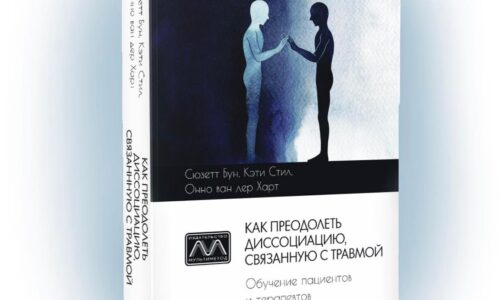
We are pleased to invite you to the presentation of the book co-authored by world-renowned experts in the field of psychotraumatology – Suzette Boone, Kathy Steele and Onno van der Hart “Coping with Trauma-Related Dissociation. Skills Training for Patients and Therapists”/ The book was published in Ukraine in early March 2023.

One of the authors, Suzette Boone, will present the book and you will have the opportunity to ask her questions, both about the content of the book and about questions you have from your own psychotherapy practice

The presentation will take place on the Zoom platform on 14 April 2023 from 16.00 to 18.00 Kyiv time

Registration fee: 500 UAH

The recording – Yes

Certificates- No

The language: English with consecutive translation to Ukrainian

Our interpreter : Oksana Lizak


You can buy the book in the fololowing  Bookshops: “U Freida” and the  “Rehabilitolog”

And now a few words about the book itself and its authors:

Winner of the 2011 International Society for the Study of Trauma and Dissociation (ISSTD) Pierre Janet Writing Award.

A patient-oriented manual for complex trauma survivors.

This training manual for patients who have a trauma-related dissociative disorder includes short educational pieces, homework sheets, and exercises that address ways in which dissociation interferes with essential emotional and life skills, and support inner communication and collaboration with dissociative parts of the personality. Topics include understanding dissociation and PTSD, using inner reflection, emotion regulation, coping with dissociative problems related to triggers and traumatic memories, resolving sleep problems related to dissociation, coping with relational difficulties, and help with many other difficulties with daily life. The manual can be used in individual therapy or structured groups.

Coping with Trauma-Related Dissociation: a presentation of the book

This book a offers specific skills that help stabilize individuals with complex dissociative disorders. These clients have often been sent to other types of treatment, such as those offered by Dialectical Behavior Therapy, Acceptance and Commitment Therapy, and Cognitive Behavioral Therapy. While helpful to non-dissociative individuals, these skills are not typically sufficiently modified for those who have dissociative disorders, and do not offer any techniques to work directly with dissociative parts; thus they tend not to be sufficiently effective with this population who are often most in need of stabilization. In addition, virtually all regulatory skills are focused on hyperarousal, even though many individuals who are dissociative also struggle with chronic hypoarousal.  This book contains skills which are designed or modified to address dissociation at the same time as skills deficits. These include emotional, impulse, and cognitive regulation strategies, mentalizing and other reflective skills, integration of both self and dyadic regulation in relationships, managing inner conflict and ambivalence, executive function skills, and adaptive decisionmaking skills. And as important as selfskills are, many the DD clients also need specific strategies to deal with daily life, such as managing self harm, sleeping, eating, free time, relaxation, work, planning, decision making, and relational skills, etc.

This book was originally written as a manual for structured groups but has been succesfully used in individual therapy with patients all over the world.

References

Boon, S., Steele, K., & Van der Hart, O. (2011). Coping with trauma-related dissociation: Skills training for patients and therapists.  New York: W. W. Norton.


 Suzette Boon is a pioneer in the field of the diagnosis of trauma-related disorders. She lives in Maarssen, the Netherlands.

Kathy Steele, MN, CS, is in private practice with Metropolitan Psychotherapy Associates in Atlanta, Georgia. She is a former President of the International Society for the Study of Dissociation.

Onno van der Hart, Ph.D. is Professor Emeritus of Psychopathology of Chronic Traumatization, Department of Clinical and Health Psychology, Utrecht University, Utrecht, the Netherlands, and a psychologist. Until 2017 he was also a psychotherapist in Amstelveen, the Netherlands. He is a Past President of the International Society for Traumatic Stress Studies (ISTSS).

Additional Information

Registration and payment


500 UAH

 
Payment methods
1. Via this website 
Please share this event with you collegues

Diagnosis of (complex) dissociative disorders. Course by Suzette Boon. Three blocks seven webinars. Took place on 2021-2022.

Greetings, dear colleagues!

In 2021-2022, Suzette Boone’s course “Diagnosis of Complex Dissociative Disorders” was held in three stages.
The course consisted of 3 blocks (7 webinars). 


Abstract

Chronic Dissociative Disorders (especially DID, ASDD and depersonalization disorder) can be perceived as  complex posttraumatic disorders.

Dissociative disorders are not easy to diagnose for the following reasons:

  1. Definitions on dissociation differ and are not always clear. Some clinicians consider dissociation a phenomenon that exists on an continuum (from normal to pathological) other consider dissociation a phenomenon that is always pathological and refers to a division of self.
  2. Patients generally do not present with dissociative symptoms but have a tendency to hide or dissimulate these symptoms.
  3. There is a lot of overlap with other disorders such as complex PTSD and cluster B personality disorders
  4. Differential diagnosis from psychosis and bipolar disorder may be difficult
  5. Main classification systems (DSM and ICD) differ with respect to dissociative disorders
  6. Clinicians do not receive systematic education with regard to diagnosis and treatment of dissociative disorders


As a consequence of poor recognition of dissociative symptomatology, these patients may spend many years in the mental health system, often with different diagnoses, without being  treated for their core problems. In addition, if dissociative pathology is not assessed or recognized , treatment of traumatic  memories with methods like EMDR may be dangerous and  result in decompensation of the patient. On the other hand, there is a danger of over diagnosing and false positive cases as both patients as well as therapist sometimes get confused about the symptoms

BLOCK 1 

Took place 12th and 19th of October 2021

Attention was focused on the recognition of (pathological) dissociative symptoms and the assessment of dissociative disorders.


BLOCK  2

Took place 30 d of November and 7 th of December 2021

Main focus was on Differential diagnosis especially on differentiation dissociative disorders  from psychosis, schizophrenia,   bipolar disorder, personality disorders, etc.

BLOCK  3

Took place 18th and 25th of October 2022.

 This event was scheduled for April 2022, but due to russia’s military invasion of Ukraine on 24 February 2022, we cancelled it. However, we held this event later. Professor Boone refused from  honorarium for this block

The third block is focused on the semistructured interview for determination of complex dissociative disorders and symptoms related to the trauma : of “Interview for determination of symptoms of trauma and dissociation (TADS – I) “

The TADS-I (Boon & Matthess, 2016) is a clinician-administered semi-structured interview to assess dissociative symptoms and disorders and other trauma-related symptoms. This interview differs from other semi-structured interviews in several ways: it enables the clinician to make DSM-5 and ICD-11 diagnoses; thus, it also includes a large section on somatoform dissociative symptoms. Secondly, it includes a section on other trauma-related symptoms in order to: (1) develop a more complete clinical picture of possible comorbidity, including symptoms of PTSD and complex PTSD; (2) achieve greater insight into the (possible) dissociative organization of the personality; and (3) differentiate complex dissociative disorders from personality disorders and other disorders, such as a (complex) posttraumatic stress disorder (CPTSD), mood disorder or psychotic disorders. Finally, the TADS-I aims at making a distinction between symptoms referring to a division of the personality and symptoms that may involve other alterations of consciousness.

For this event, the semi-structured interview TADS – I, guidelines and symptom maps were translated into Ukrainian. The translation was done by Karine Kocharyan

The course is intended for psychologists, psychotherapists, psychiatrists who is working with mental trauma of all therapeutic modes and directions

Suzette A. Boon

Suzette A. Boon PhD, 1949, is a clinical psychologist and psychotherapist. She has more than thirty years of experience working in mental health institutions. She is a trainer and supervisor for the Dutch Society for Family Therapy and the Dutch Society for Hypnosis. Since the late eighties, she has specialized in the diagnosis and treatment of complex dissociative disorders. She has worked as a researcher at the Free University of Amsterdam (Psychiatric Department). She translated and validated the Dutch version of the Structured Clinical Interview for DSM-IV Dissociative Disorders (SCID-D) and received a PhD for her thesis Multiple Personality Disorder in the Netherlands in 1993. She has published several books, book chapters and many articles on both the diagnosis and treatment of dissociative disorders.Suzette Boon is working in a private practice, mainly as a trainer and supervisor. She has been giving workshops all over Europe and the USA on topics related to complex trauma and dissociation.She has developed a skills training manual for patients with a complex dissociative disorder and currently has eight years of experience using this manual in structured groups in the Netherlands. In addition, she has been supervising projects in Norway and Finland using this manual. Its English version (with Kathy Steele, MN, CS and Onno van der Hart, PhD) was published in March 2011 by Norton publishers. Translations have been published in Finnish, Swedish, Dutch, German, Norwegian, French, Italian and Spanish.She is currently doing research with a new diagnostic interview to assess chronic trauma-related disorders, in particular the dissociative disorders – the Trauma and Dissociation Symptoms Interview (TADS-I). This new instrument that follows an earlier version (IDDTS, 2006) has been introduced in several European countries. For further information please contact Suzette.Suzette Boon is co-founder of the European Society for Trauma and Dissociation (ESTD) and was the first president of this Society.The International Society for the Study of Dissociation (ISSD) granted her the David Caul Memorial Award in 1993, the Morton Prince Award in 1994 and the President’s Award of Distinction and the status of Fellow in 1995 for her contributions to the diagnosis, treatment, research and education in the field of dissociative disorders. In 2009, she received the Life Time Achievement Award, and in 2011 the Pierre Janet writing Award for the book Coping with Trauma-Related Dissociation a Skills Training for Patients and their Therapists.

Photo by Mark van Oostveen

Please share with your friends!

 If this course seems useful to you, tell your friends about it

Erik de Soir From War related Traumatic Stress to traumatic grief or PTSD

 Erik de Soir From War related Traumatic Stress to traumatic grief or PTSD

Dear collegues!

The webinar was held in 9 th of April 2022 

Short abstract of the event

In this webinar, Erik de Soir will start from historical aspects on psychological trauma from a hermeneutic and classical perspective and work toward understanding of psychological trauma as a dissociative disorder in the first place.

The old European history with its myths, tales and stories, like other cultures, is full of trauma accounts and detailed descriptions of trauma symptoms (a.o. the epic of Gilgamesh, Homer’s Ilyad, Achilles and The Trojan War, The Medusa Tale, The Odyssee, Samuel Peppy’s diary, Shakespeare’s Henry IV – Part I, etc). Some of these descriptions were already very accurate from a phenomenological point of view.

During this webinar, the work of Freud, Ferenczi, Janet, Charcot, Tardieu, and other early trauma specialists will be revisited before introducing the theory of trauma-related structural dissociation of the personality which has been developed on the basis of the WWI field logbooks and clinical observations of Charles Myers.

Clinical observations from WWI indicated the breaking up or split up of the personality as the core of psychotrauma where dissociation is both seen as the mechanism of splitting of and the set of typical symptoms appearing in trauma surviors.

The powerful metaphor of animal reactions – the analysis of prey versus predator behavior – offers a phenomenological understanding of what happens in trauma survivors.

These insights will offer unique insight about war trauma and lead to the model of fase-oriented treatment of trauma survivors who experienced the war.

About Speaker:

Major (Ret) Erik de Soir is a Doctor in Psychology (Utrecht University) and a Doctor in Social and Military Sciences (Royal Military Academy). He owns a Postgraduate Degree in Disaster Management & Disaster Medicine,  a Postgraduate Psychotherapy Training in Systemic Marital, Family & Sex Therapy, a Postgraduate Psychotherapy Training in Hypnotherapy and extensive training in psychotrauma therapy & counselling.

Erik de Soir created the first Belgian Model for Psychosocial Support of Peacekeeping Operations for Traumatic Stress Management in the military and rescue services. He regularly participated in peace support operations in Somalia, Croatia and Bosnia. He is also both a certified firefighter and a paramedic and serves as a volunteer fire psychologist in the Regional Fire & Ambulance Brigade of Leopoldsburg.

As a trauma psychologist and mental coach, he assisted personnel from special forces units from army and police in the fight against Jihadist terrorists.

He is currently the President of the Flemish Scientific Association for Hypnosis (www.vhyp.be) for which he provides professional training for mental coaches for peak performance.


Free entrance!

The language: English with consecutive translation to Ukrainian

Our interpreter : Oksana Lizak

We made a video recording of this webinar.

Online training by Frank Corrigan for Ukrainian colleagues “Deep Brain Reorienting (DBR) : healing of emotional shock, attachment wounding, and other traumatic experiences.” 17 th of March 2022

17 of March 2022 we provided the training by Frank Corrigan Deep Brain Reorienting (DBR) : healing of emotional shock, attachment wounding, and other traumatic experiences” for Ukrainian collegues


Doctor Corrigan proposed to provide this training for free as a support for Ukrainian specialists, who provides help to survivors from russian war aggression. This event was provided instead of early planned  introducing webinar “Trauma and dissociation: the role of the midbrain in symptoms and in therapy”– you may find more information about DBR method following by link.

Besides theoretical support Frank provided practical support for the specialists who will try to use new skills and knowlages in their practice. 


 Frank Corrigan

Frank Corrigan, MD  , began his training in psychiatry in 1977 and was an NHS Consultant Psychiatrist in Scotland from 1985 until 2018, latterly working part-time as a specialist provider of trauma psychotherapy. He now works in private practice in Glasgow and specialises in complex trauma and dissociative disorders. Frank is a Fellow of the Royal College of Psychiatrists (FRCPsych) and a Member of the General Medical Council (GMC). He is also an EMDR Europe Approved Consultant.
After training in EMDR in 1999 he was, until recently, an accredited practitioner and consultant with the EMDR Association (UK & Ireland). He is the co-author of “Neurobiology and treatment of traumatic dissociation” (Lanius, UF, Paulsen, SL, & Corrigan FM, Springer, New York, 2014) and of “The Comprehensive Resource Model” (Schwarz, L, Corrigan, F, Hull, A, & Raju, R, Routledge, London, 2017). The hypotheses underlying DBR were set out in a paper co-authored with Jessica Christie-Sands in Medical Hypotheses (2020, 136, 109502).
Frank is a highly skilled Consultant Psychiatrist and Neuroscientist with over 30 years clinical and academic experience in various areas of mental health. He combines his extensive clinical experience with research on the neurobiology of trauma and its underpinnings in major psychiatric disorders. His research broadly explores the intersection between affective neuroscience and the science of healing. Drawing on his fluent understanding of the brain, his work brings interior and exterior empiricism into a series of hypotheses that invites us to rethink the dialogue between therapist and client within the context of the nervous system. His work offers us new ways of thinking about how the nervous system organises in relationships, which helps in understanding why some of our clients with trauma histories remain stuck both in therapy and in life.
His treatment philosophy is fundamentally relational and seeks to embed the vital links between mind, brain and body in the therapy. In his clinical work, he emphasises the importance of tracking physiological arousal states and their expression through subtle shifts in body-based defensive patterns. Frank believes that it is not possible to override state driven affective and defensive patterns without building a scaffold of neurobiological resources as a vital regulatory intervention and utilizing the wisdom of the body as a restorative bridge to healing.
Throughout his career, Frank has been dedicated to exploring innovative methods for working with trauma and severe dissociative disorders along with a range of other complex mental health difficulties. His commitment to understanding the unfolding impact of trauma on developing brain systems led him to undertake extensive training in various therapeutic approaches and techniques including; Dialectical Behaviour Therapy, Clinical Hypnosis, Lifespan Integration, EMDR, Sensorimotor Psychotherapy (Level 1), Brainspotting and Resource Brainspotting. More recently he has also undertaking advanced training in Comprehensive Resource Model (CRM) as well as Neurofeedback training.
He is a co-author of ‘Neurobiology and Treatment of Traumatic Dissociation: Towards an Embodied Self (Lanius et al., 2014), along with numerous other scientific papers. His most recent book is ’The Comprehensive Resource Model: Effective Techniques for Healing Complex Trauma’ co-written with Lisa Schwarz and Dr Alastair Hull published 2016. This book offers a vital contribution to scientifically-informed clinical practice. He is currently involved in a major research project with Dr Ruth Lanius (Professor of Psychiatry and Director of PTSD Research Unit at Western University in London, Ontario) using brain imaging to explore the possible neural mechanisms underpinning complex trauma and treatment outcomes specifically in relation to CRM as a key therapeutic intervention.
His current research on the role of the seeking system in mediating the urge to attach is invaluable in helping us understand the unfolding impacts of early impaired bonding experiences in shaping the attachment capabilities of the children, young people and adults who access our services.

Short observation of the training

This training offers participants an opportunity to understand the key role of midbrain systems in traumatic experiences which have clinical consequences. There is an emphasis on attachment shock, which may be historic or recent, and on early life adversity. A distinction between brain circuits for shock and circuits for affective and defensive responding underlies the clinical approach of Deep Brain Reorienting.

DBR is a trauma memory processing modality that has developed from an understanding of stimulus-response sequences in the upper brainstem and uses these in a way that diminishes the risk of overwhelm or dissociation. Tracking the sequences, informed by the knowledge of how they occur physiologically, activates a healing process which, optimally, promotes a complete resolution of the clinical consequences of the traumatic experiences.

DBR can also be useful when attachment urges are conflicted because of adverse experiences. For example, when the capacity to orient toward connection simultaneously triggers the impulse to move away, often with negative affects emerging, the urge to connect with significant others is conflicted at a level not readily accessible in talk therapy.

Key learning outcomes

  • To develop an understanding of the neuroanatomy and neurophysiology of threat and adversity response systems in the midbrain, the upper part of the brainstem
  • To be able to track deep sequences that have occurred so quickly that only their late effects have been recognized – and to wait with these sequences until full processing of them has occurred
  • To identify and differentiate the main components of physiological sequences underpinning conflicted orienting patterns in relational connections.

Programe for 17 03 22

10.00 – 10.55     Introduction to theory of DBR, part 1

10.55 – 11.00     Short break

11.00 – 11.10     Group exercise: “The Where Self”

11.10 – 11.45     Introduction to theory of DBR, part 2

11.45 – 12.00     Break

12.00 – 12.45     Demonstration 1

12.40 – 13.00     Q & A

13.00 – 14.00     Lunch

14.00 – 14.55     Demonstration 2

14.55 – 15.00     Short break

15.00 – 15.15     Q & A

15.15 – 15.30     Group exercise: “The Where Self in connection”

15.30 – 16.15     Demonstration 3

16.15 – 16.30     Break

16.30 – 17.00     Review of the O-T-(Shock)-A sequence

17.00 – 17.30     Q & A

17.30 – 17.45     Group exercise: “The Where Self looks inwards towards the Proto Self”


Free entrance!

The language: English with consecutive translation to Ukrainian

Our interpreter : Oksana Lizak

We made a video recording of this webinar.

Trauma and dissociation: the role of the midbrain in symptoms and in therapy.  This webinar was canceled due to the war invasion of russia in Ukraine in 24 of Fabruary 2022

Seminar Frank Corrigan

Dear colleagues

We invite You to participate in online webinar  by Frank Corrigan “Trauma and dissociation: the role of the midbrain in symptoms and in therapy” 

This webinar  are introductory to the more deep and detailed 7-8 hours training on DBR-therapy, which we are planning to set in future.


Deep Brain Reorienting (DBR)

Description

Deep Brain Reorienting (DBR) is a trauma psychotherapy which has been developed mainly for the treatment of attachment shock; but it can also be applied to the processing of other unresolved traumatic experiences. The indication that past events continue to have an impact is that there are clinically significant symptoms which would not be present if the experiences had not occurred.

Background

There are well-researched trauma psychotherapies which offer hope of full recovery as they are not dependent on top-down management of symptoms. These transformational approaches rely on the human brain having an inherent ability to find healing from emotional trauma when the memory of the initiating event is approached in a specific way. However, it can often be difficult to get to the core of an adverse experience to liberate this healing flow. Sometimes it is difficult because return to the event is emotionally overwhelming and there is a protective tendency to turn attention away from the memory as soon as possible. Sometimes there is a more evident dissociation from the present-day experience through numbing, blanking out, shutting down, or switching into a self-state like that which occurred at the time of the original trauma. Sometimes there has been a shock – before the emotions became intense – which replays so fast that it is easily missed during treatment. More commonly it is because the original experience that was so disturbing has been covered in layers of thoughts and feelings and distressing re-experiencing. It may also have been compounded by relational problems which themselves were precipitated by the continuing distress.

Development

Deep Brain Reorienting (DBR) aims to access the core of the traumatic experience in a way which tracks the original physiological sequence in the brainstem, the part of the brain which is rapidly online in situations of danger or attachment disruption – or both, as an experience of abandonment in infancy will likely also involve appropriate fears for survival. The first structure capable of initiating a movement response is the superior colliculus (SC), which can direct eye movements. The SC also prepares the head for turning by bringing in tension in the muscles of the neck. This orienting tension, although often fleeting and unnoticed, is a major component of DBR. The focus on face and neck tension arising from turning attention to the memory of the traumatic event, or to whatever has been the present-day trigger, gives an anchor in the part of the memory sequence that occurred before the shock or emotional overwhelm that is leading to the continuing symptoms. Deepening awareness into the orienting tension provides an anchor for grounding in the present so that the mind is not swept away by the high intensity emotions; nor does it divert into a compartment holding a self-state frozen in time in which contact with the present is lost. Although the theory is simple the practice of DBR can be difficult. It does not work for everyone. Therapists who will find it most useful are those who use transformational trauma therapy approaches that are body-based, or “bottom-up”. These approaches do not rely on restructuring of thoughts or meanings at a complex verbal level for “top-down” control of symptoms, not do they rely on exposure for establishing cortical control of fear responses.

Clinical applications

It is well-recognised that traumatic experiences can lead to the development of the full syndrome of post-traumatic stress disorder (PTSD) with its characteristic intrusive features, such as flashbacks and nightmares, and attempts to avoid triggers to further distress. In more complex forms of PTSD there may be more derealisation and depersonalisation, consistent with the brain’s attempts to avoid being overwhelmed by shock and horror, and by intense affects of fear, rage, grief, or shame. The more dissociative forms of PTSD occur when there has been early life attachment disruption preceding other traumatic experience. Dissociative disorders may arise from early life separation experiences experienced as painful and unresolved even when there has been no later abuse. The pain of aloneness may be an internal driver of defensive and affective responses and may thus contribute to difficulties in regulating emotions. Any such difficulty may lead to efforts to control distress through substance abuse, eating disorders, or self-harm – or it may be expressed through troublesome anxiety or mood disturbance. It is not so much the clinical presentation which is important for DBR – but whether there is an underlying event or experience at the origin of the distress.

Hypothetical basis of DBR

The hypotheses have been described in a paper published in the journal Medical Hypotheses by Frank Corrigan and Jessica Christie-Sands:

Corrigan, F.M., Christie-Sands, J. (2020). An innate brainstem self-other system involving orienting, affective responding, and polyvalent relational seeking: Some clinical implications for a “Deep Brain Reorienting” trauma psychotherapy approach. Medical Hypotheses, 136, 109502.

© Frank Corrigan January 2021


The webinar is intended for psychologists, psychotherapists, psychiatrists and anyone interested in the topic of trauma and dissociative disorders.

Conditions of participation

Frank Corrigan
 
Frank Corrigan, MD source , began his training in psychiatry in 1977 and was an NHS Consultant Psychiatrist in Scotland from 1985 until 2018, latterly working part-time as a specialist provider of trauma psychotherapy. He now works in private practice in Glasgow and specialises in complex trauma and dissociative disorders. Frank is a Fellow of the Royal College of Psychiatrists (FRCPsych) and a Member of the General Medical Council (GMC). He is also an EMDR Europe Approved Consultant.
After training in EMDR in 1999 he was, until recently, an accredited practitioner and consultant with the EMDR Association (UK & Ireland). He is the co-author of “Neurobiology and treatment of traumatic dissociation” (Lanius, UF, Paulsen, SL, & Corrigan FM, Springer, New York, 2014) and of “The Comprehensive Resource Model” (Schwarz, L, Corrigan, F, Hull, A, & Raju, R, Routledge, London, 2017). The hypotheses underlying DBR were set out in a paper co-authored with Jessica Christie-Sands in Medical Hypotheses (2020, 136, 109502).
Frank source is a highly skilled Consultant Psychiatrist and Neuroscientist with over 30 years clinical and academic experience in various areas of mental health. He combines his extensive clinical experience with research on the neurobiology of trauma and its underpinnings in major psychiatric disorders. His research broadly explores the intersection between affective neuroscience and the science of healing. Drawing on his fluent understanding of the brain, his work brings interior and exterior empiricism into a series of hypotheses that invites us to rethink the dialogue between therapist and client within the context of the nervous system. His work offers us new ways of thinking about how the nervous system organises in relationships, which helps in understanding why some of our clients with trauma histories remain stuck both in therapy and in life.
His treatment philosophy is fundamentally relational and seeks to embed the vital links between mind, brain and body in the therapy. In his clinical work, he emphasises the importance of tracking physiological arousal states and their expression through subtle shifts in body-based defensive patterns. Frank believes that it is not possible to override state driven affective and defensive patterns without building a scaffold of neurobiological resources as a vital regulatory intervention and utilizing the wisdom of the body as a restorative bridge to healing.
Throughout his career, Frank has been dedicated to exploring innovative methods for working with trauma and severe dissociative disorders along with a range of other complex mental health difficulties. His commitment to understanding the unfolding impact of trauma on developing brain systems led him to undertake extensive training in various therapeutic approaches and techniques including; Dialectical Behaviour Therapy, Clinical Hypnosis, Lifespan Integration, EMDR, Sensorimotor Psychotherapy (Level 1), Brainspotting and Resource Brainspotting. More recently he has also undertaking advanced training in Comprehensive Resource Model (CRM) as well as Neurofeedback training.
He is a co-author of ‘Neurobiology and Treatment of Traumatic Dissociation: Towards an Embodied Self (Lanius et al., 2014), along with numerous other scientific papers. His most recent book is ’The Comprehensive Resource Model: Effective Techniques for Healing Complex Trauma’ co-written with Lisa Schwarz and Dr Alastair Hull published 2016. This book offers a vital contribution to scientifically-informed clinical practice. He is currently involved in a major research project with Dr Ruth Lanius (Professor of Psychiatry and Director of PTSD Research Unit at Western University in London, Ontario) using brain imaging to explore the possible neural mechanisms underpinning complex trauma and treatment outcomes specifically in relation to CRM as a key therapeutic intervention.
His current research on the role of the seeking system in mediating the urge to attach is invaluable in helping us understand the unfolding impacts of early impaired bonding experiences in shaping the attachment capabilities of the children, young people and adults who access our services.
Registration and payment
Please note that payment is made in UAH.
The amount in UAH may change when the euro exchange rate rises.
Еhe real equivalent of €55 remains unchanged.
1850₴
Payment Methods
1. Through the site in UAH;
2. Cash in euro for Odessans.

Regardless of the payment method, please use the registration form.
Share with friends!
If you find this course helpful, please share it with your friends.